
How Online Casinos Use Video Game Elements to Engage Audiences
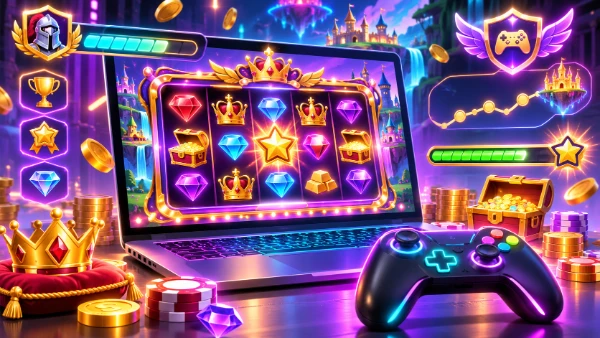
The relationship between video games and online casinos has become increasingly visible in 2026. Traditional gambling formats now coexist with animated characters, interactive environments, achievement systems, narrative-driven bonus rounds and visual effects commonly associated with computer and mobile games. These features reflect a broader change in digital entertainment, where familiar interfaces and interactive experiences influence consumer expectations. However, the similarities between video games and casino products are largely presentational. While conventional video games frequently reward skill, practice and strategic decisions, most casino games remain dependent on chance. Understanding how these two forms of entertainment overlap helps explain changing gambling habits, commercial trends and the growing importance of responsible gambling measures.
The Influence of Video Game Design on Online Casinos
Early online casinos primarily reproduced traditional gambling machines and casino tables. Their interfaces consisted of relatively simple graphics, betting controls and basic animations. As digital entertainment developed, casino software providers began introducing more elaborate environments, borrowing visual conventions from adventure games, arcade titles and animated mobile applications. Modern slots can feature fictional characters, detailed landscapes and interconnected storylines that give individual games a recognisable identity beyond their gambling mechanics.
NetEnt’s Gonzo’s Quest is an established example of this development. Its exploration-themed environment, animated central character and falling symbols distinguish it from traditional reel-based slot machines. The presentation resembles an animated adventure, although the underlying outcomes remain determined by chance. Similar approaches can be found in numerous modern casino titles featuring mythology, fantasy worlds, historical settings and fictional characters. Their visual complexity does not necessarily indicate better winning probabilities or greater financial value.
Another significant influence comes from the increasing use of interactive animations. Symbols may transform, characters can react to particular outcomes, and backgrounds sometimes change when special features are activated. These sequences resemble the visual feedback provided by conventional video games after completing an objective. In casino products, however, animated celebrations can create an exaggerated perception of success, particularly when the displayed return is smaller than the original stake. This distinction has become an important consideration for gambling regulators and consumer protection organisations.
Storytelling, Characters and Interactive Bonus Rounds
Storytelling provides casino developers with a way of connecting individual gambling rounds through a consistent theme. Instead of relying exclusively on familiar symbols such as fruit, playing cards or numbers, themed games introduce fictional settings with their own visual identity. A bonus round might take place inside an ancient temple, a fantasy castle or a futuristic city. These environments resemble locations found in adventure games, but they generally represent alternative presentations of predetermined or randomly generated gambling outcomes rather than independent challenges requiring genuine skill.
Interactive bonus rounds represent another area where gambling products resemble video games. Some involve selecting objects, revealing hidden prizes or watching characters perform particular actions. Although these sequences give participants an opportunity to interact with the screen, the influence of those interactions on the eventual payout depends entirely on the individual game’s rules. Selecting a different object does not automatically improve the probability of receiving a larger prize. The appearance of decision-making should therefore be distinguished from actual control over financial outcomes.
The commercial availability of these formats has also expanded beyond conventional slots. Live casino game shows combine studio presentations with digital animations and interactive bonus sequences. Evolution’s Crazy Time, introduced in 2020, includes a money wheel and four distinct bonus games: Cash Hunt, Pachinko, Coin Flip and Crazy Time. Its expansion into Connecticut in June 2025 illustrates the continued distribution of entertainment formats combining traditional gambling with television production and video game-inspired presentation. Despite their interactive appearance, these products remain gambling activities involving financial risk.
Gamification and the Changing Online Casino Experience
Gamification refers to the introduction of game-like features into activities that do not traditionally involve completing levels, collecting achievements or developing fictional characters. Online casinos have adopted this concept through reward systems, personal profiles, competitions and progress indicators. Unlike traditional casino bonuses, which usually consist of a financial incentive or free spins, gamification introduces a sense of progression across multiple interactions. However, progress within such systems should not be confused with improving gambling skills or increasing the probability of winning.
Achievement systems are particularly recognisable to audiences familiar with computer and mobile games. Depending on the operator, customers may encounter digital badges, experience points or rewards associated with completing certain activities. These features can create the impression that an account develops over time, much like a character profile in a role-playing game. Nevertheless, reaching a new account level does not change the mathematical characteristics of a slot or eliminate the financial risks associated with gambling. Any associated rewards remain subject to the operator’s promotional conditions.
Progress indicators also deserve attention because they can influence how individuals perceive unfinished activities. A partially completed objective may create a psychological incentive to continue, even when a person originally intended to finish a gambling session. In conventional video games, completing another objective may primarily involve additional time. In an online casino, the same behaviour can result in additional expenditure. This financial distinction makes transparent reward conditions and accessible spending controls particularly important.
Virtual Rewards, Competitions and Social Features
Virtual rewards have become a familiar part of digital entertainment through collectible items, character accessories and achievement badges. Some casino operators use comparable concepts by introducing loyalty points, account statuses and digital rewards. The practical value of these items varies considerably. A cosmetic achievement might have no monetary value, while loyalty points could be exchangeable for rewards under specific conditions. Customers should distinguish between promotional credits, withdrawable funds and purely decorative account features before assigning financial significance to them.
Competitive features represent another connection between casino entertainment and video games. Online poker tournaments provide an established example of competition involving rankings, structured events and direct interaction between participants. Slot tournaments may also display leaderboards, although their results depend heavily on chance and the applicable scoring system. The distinction is important: a high ranking in a slot competition does not necessarily demonstrate superior gambling ability, whereas decision-making and experience can influence performance in competitive poker over time.
Social interaction has also become more visible through live dealer chat, shared events and multiplayer casino formats. These features resemble communication tools found in multiplayer video games, but their presence does not remove the individual financial consequences of gambling. Observing other participants celebrating successful outcomes can create an incomplete impression of how frequently people win. Visible successes rarely provide a complete account of previous stakes, unsuccessful rounds or cumulative losses. Consequently, social activity should not be treated as evidence of profitability.

Video Game-Inspired Gambling and Consumer Protection in 2026
The increasing resemblance between video games and online gambling has attracted regulatory attention, particularly concerning the presentation of financial outcomes. In Great Britain, the Gambling Commission’s responsible product design standards establish restrictions intended to reduce potentially harmful gambling behaviours. These include a minimum game cycle of 2.5 seconds for online slots and five seconds for applicable non-slot casino games, excluding peer-to-peer poker. Customers must also initiate individual game cycles rather than continuously holding a button to place subsequent wagers.
British regulations additionally restrict celebratory audiovisual effects when a casino round returns an amount equal to or smaller than the original stake. For example, receiving £1.50 after placing a £2 wager represents a net loss of 50 pence, even though the game has returned some money. Presenting such an outcome as a successful achievement can distort a customer’s understanding of their financial position. Restrictions on these effects address an important difference between ordinary video game feedback and feedback associated with real-money gambling.
Financial controls have also developed during 2026. From 30 September 2026, operators regulated by the Gambling Commission must provide gross deposit limits and give them at least the same prominence as other available financial limits. These limits concern the total amount deposited during a specified period, without deducting withdrawals. This requirement is particularly relevant when gambling products incorporate interactive activities and progression systems, as customers need a straightforward way to monitor expenditure independently of their achievements or virtual rewards.
The Boundary Between Gaming and Gambling
The relationship between video games and gambling extends beyond casino design. Loot boxes, randomised digital rewards and purchasable virtual items have generated considerable debate about the exposure of younger audiences to gambling-like mechanics. According to the Gambling Commission’s Young People and Gambling 2026 report, published on 12 November, 82% of surveyed young people were aware of at least one activity involving in-game items. Among respondents aged 11 to 17, 22% reported spending their own money on randomised virtual rewards commonly described as loot boxes or surprise boxes. These findings demonstrate the widespread familiarity of younger audiences with certain chance-based digital purchasing mechanisms.
However, familiarity with randomised rewards does not establish that video games inevitably lead to gambling. The relationship involves numerous personal, social and financial factors, and the legal classification of individual products depends on national legislation and the characteristics of their rewards. A virtual item restricted to a video game environment may be treated differently from an item that can be exchanged for real money. Equally, purchasing an ordinary cosmetic accessory with a clearly stated price differs from paying for an unknown reward determined by chance.
In 2026, the central challenge is maintaining a clear distinction between interactive entertainment and activities involving financial risk. Animated environments, achievements, fictional characters and social features can make casino products resemble familiar video games, but they cannot remove the possibility of losing money. A responsible approach requires clear game rules, understandable promotional conditions, accurate financial information and effective access to deposit limits, time-outs and self-exclusion. The quality of a casino experience should therefore be assessed not only through its graphics and interactive features, but also through its transparency and the degree of control it gives customers over their gambling behaviour.