
Wheel of Fortune and Other Casino Wheel Games: How They Work
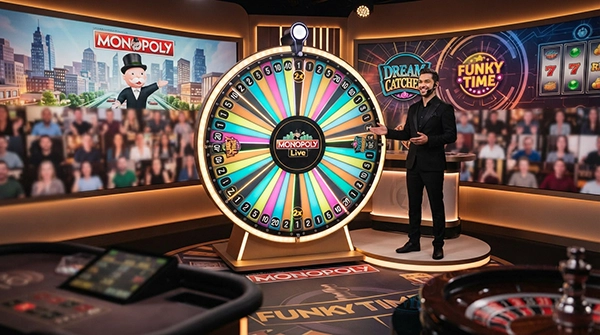
Wheel-based casino games combine simple rules with a visual format that is easy to understand. The basic idea is straightforward: a wheel is divided into sections, a player places a bet on one or more possible outcomes, and the result is determined by where the wheel stops. Wheel of Fortune is one of the best-known examples, while modern online casinos also offer games such as Dream Catcher, MONOPOLY Live and other wheel-based formats. Although these titles may look similar, their rules, payouts and bonus mechanics can be quite different.
How Wheel of Fortune casino games work
Wheel of Fortune has a distinctive place in casino gaming because the familiar television brand has been adapted into slot machines rather than simply reproducing the television programme. IGT introduced its first Wheel of Fortune slot in the mid-1990s, combining recognisable elements such as the colourful wheel, sounds and branded presentation with established slot mechanics. The concept has continued to evolve, with later versions adding video features, 3D presentation and different bonus mechanics. IGT has also continued to release Wheel of Fortune products, with 2026 marking the 30th anniversary of the brand’s casino slot history.
In a typical Wheel of Fortune slot, the main game works like a conventional video slot. Reels contain symbols, paylines or ways to win determine successful combinations, and special symbols can activate additional features. The wheel is normally associated with a bonus event rather than functioning as the sole method of determining every spin. This distinction is important because a Wheel of Fortune-branded slot should not be confused with a physical money wheel or a live casino wheel game.
The exact rules depend on the individual version of the game. Some titles use a wheel bonus where players can receive cash prizes or multipliers, while other releases combine the wheel with features such as hold-and-spin mechanics or progressive jackpots. Consequently, the name Wheel of Fortune does not describe one fixed mathematical model. Players should check the specific game’s paytable and rules before playing because the available features, winning combinations and potential payouts can vary between versions.
What determines the result
In a standard online slot, results are generated by a random number generator, commonly known as an RNG. The symbols displayed on the reels are therefore determined by the game’s programmed mathematical system rather than by a physical wheel being spun behind the scenes. Where a bonus wheel is included, its result is also governed by the game’s rules and randomisation system. The visual animation shows the outcome, but it does not give the player a way to control where the wheel stops.
This is different from a live wheel game, where a presenter physically spins a large wheel in a studio and a camera broadcasts the result. Evolution’s Dream Catcher, for example, uses a 54-segment physical wheel with numbered sections and two multiplier sections. Players predict the number where the wheel will stop, while the presenter performs the spin. The physical presentation changes the format, but the underlying outcome remains a game of chance.
It is also useful to separate the appearance of a wheel from the actual probability of each result. A wheel may contain equal-sized sections, but the payouts attached to those sections can differ considerably. In Dream Catcher, for example, the wheel contains 52 numbered segments covering 1, 2, 5, 10, 20 and 40, plus one 2x multiplier segment and one 7x multiplier segment. The number of segments associated with each outcome is therefore an important part of understanding how the game is structured.
Other casino games based on a spinning wheel
Modern online casinos offer several formats that use the same basic wheel concept but present it in different ways. Dream Catcher is one of the clearest examples: players select a number, a live host spins a large wheel, and the payout corresponds to the winning segment. If the wheel lands on a multiplier, the game continues with another spin while the multiplier can increase the eventual payout. This creates a simple rule set without requiring players to learn the combinations used in traditional slots.
MONOPOLY Live takes the concept in another direction by combining a live money wheel with the visual identity of the MONOPOLY board game. Its wheel has 54 equal segments, including numbered sections, CHANCE sections, 2 ROLLS sections and a 4 ROLLS section. A winning number pays according to the number displayed, while CHANCE can produce a cash prize or multiplier. The roll segments lead to a separate bonus game featuring a virtual version of Mr. MONOPOLY.
Other wheel-based formats use digital wheels rather than physical ones. Evolution’s Funky Time, for instance, centres on a DigiWheel that generates random multipliers and assigns them to different segments during each round. Players can bet on letters, the number 1 or bonus options, while additional bonus games provide separate opportunities for enhanced payouts. This illustrates how the wheel format can be adapted without changing its most recognisable feature: predicting where the wheel will stop.
Wheel games versus roulette
Roulette is sometimes grouped with wheel games because a physical or digital wheel determines the winning number, but its betting structure is different. In European roulette, the wheel contains the numbers 0 to 36, while American roulette adds a second zero. Players can bet on individual numbers, groups of numbers, colours, parity and other combinations. The result is determined by the ball’s final position rather than by a wheel segment selected directly by a pointer or flapper.
Wheel game shows usually reduce the number of decisions required from the player. In Dream Catcher, for example, the central choice is which number or multiplier-related option to back. In MONOPOLY Live, players choose from a smaller collection of possible segments, after which the host spins the wheel. This makes these games closer to a prediction-based game show than to roulette, even though both formats use a rotating wheel.
The payout structure is another important difference. Roulette generally calculates winnings according to the type of bet placed, whereas wheel game shows can attach fixed multipliers or bonus outcomes to particular sections. The presence of special segments can also trigger additional rounds. As a result, two games can both use a wheel while offering very different ways to win and very different distributions of possible results.
How bonuses and multipliers change wheel games
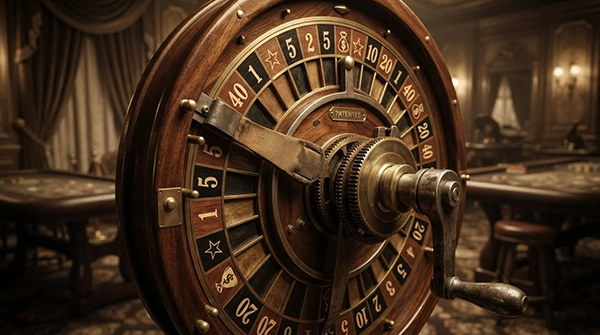
Bonus mechanics are one of the main reasons modern wheel games differ from a simple numbered wheel. A multiplier can increase the payout associated with a winning result, while a bonus segment can move the player into a separate game. In Dream Catcher, the 2x and 7x sections can multiply the payout from a later winning number. If another multiplier is hit, the multiplier effect can continue before the round finally ends with a numbered result.
Live game shows can use several layers of bonus mechanics. MONOPOLY Live has CHANCE sections that can award either cash prizes or multipliers, while its 2 ROLLS and 4 ROLLS sections activate a bonus round. The bonus round uses a virtual board and can award prizes and multipliers. These mechanics make the game more elaborate than a simple prediction of a single wheel result, while the main betting rules remain relatively easy to follow.
Digital wheel games can take the idea further by changing multiplier values from round to round. Funky Time uses a DigiWheel that dynamically generates random multipliers and assigns them to selected segments. The game also includes four bonus games. Such features demonstrate why players should not judge a wheel game solely by its visual presentation. The rules governing multipliers, bonus triggers, eligible bets and payouts are what determine how the particular title actually operates.
What to check before playing
The first thing to check is the game’s rules and paytable. Look at the number of wheel sections, the possible results, the payout attached to each result and the conditions for activating bonuses. If a game has multipliers, check whether they apply immediately, to a subsequent result or only within a particular bonus round. These details can make a substantial difference to how the game behaves.
The second point is the game’s return and risk information. A high advertised multiplier does not mean that the largest payout is common. Large prizes may be linked to relatively rare outcomes, while more frequent results can have smaller payouts. For this reason, it is more useful to consider the complete payout structure than to focus on the biggest number displayed in the game’s promotional material.
Finally, players should distinguish between live, RNG and slot-based wheel games. A live game uses a streamed physical wheel and presenter, whereas an RNG title uses software to generate the outcome. A Wheel of Fortune slot may use the wheel as part of a bonus feature rather than as the main game mechanic. Understanding this difference makes it much easier to compare titles and choose a game format that matches the type of gameplay a player is looking for.